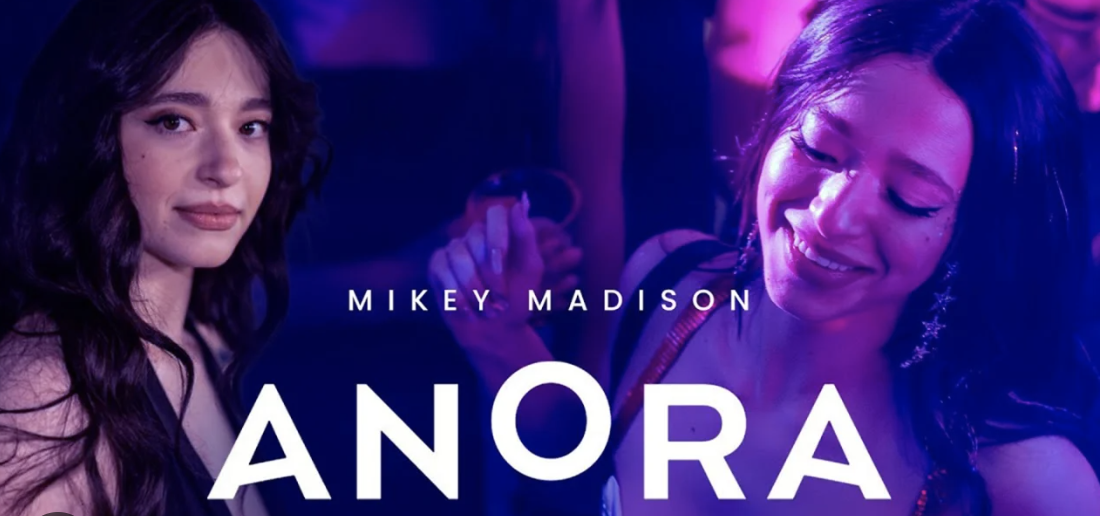
Kevin Muller is back with his take on Sean Baker’s latest film, ‘Anora.’ 🎬✨ Check out his review now! #Anora #Anorafilm #MovieReview #FilmReview
By Kevin Muller
The Cannes Film Festival is often regarded as the “World Series” of cinema, where filmmakers from across the globe compete for the prestigious Palme d’Or each May. It has been 13 years since an American film won the top honor—Terrence Malick’s The Tree of Life (2011). However, this past May, Anora took home the coveted prize, propelling the film into the conversation for next year’s Academy Award for Best Picture.
“Anora,” or “Ani,” is a complex character brought to life with stunning depth by Mikey Madison. A stripper and sex worker, Ani is trying to survive day by day in a world where survival means playing both the part of seductress and hustler. She’s strikingly beautiful, yet it’s her approachable, disarming personality that allows her to expertly navigate the world of her clients. When the owner of her strip club tells her that a wealthy Russian client named Vanya (Mark Eidelstein) is looking for someone who speaks his language, Ani’s ability to speak Russian—learned from her grandmother—becomes her ticket to an unexpected romance.
What follows is a whirlwind relationship that exemplifies the giddy, reckless abandon of young love. Vanya is rich, which means he takes care of everything for Ani—lavish gifts, private jets, trips to Las Vegas. In a spontaneous act of youthful impulsiveness, the two even marry while on vacation, envisioning a life together. But things go south when Vanya’s affluent parents learn of their union. Terrified, Vanya disappears, and Ani is soon entangled in a tense chase with his family’s hired muscle—Toros (Yuriy Borisov), Garnick (Vache Tovmasyan), and Igor (Karren Karaguilian)—all trying to track him down.
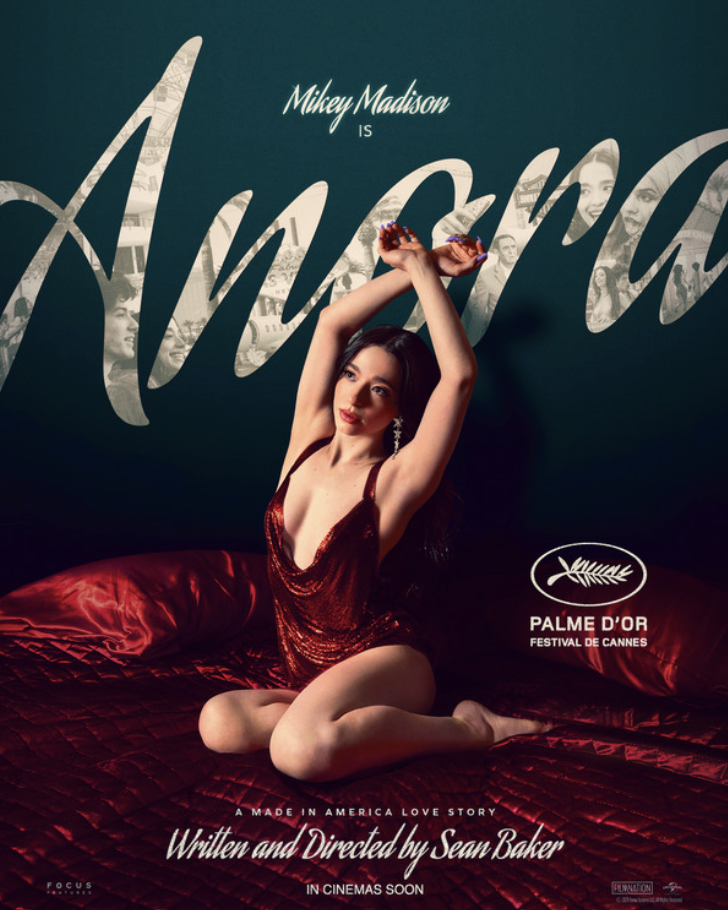
For the first 45 minutes, Anora is an exhilarating ride, capturing the intoxicating highs of youth, beauty, and wealth. Writer-director Sean Baker, known for his grounded, vibrant storytelling, immerses us in a world of fast cars, designer clothes, and spontaneous decisions. It’s a lifestyle that many dream of, but for Ani, it’s a stark contrast to the gritty, unglamorous life she’s been living. Baker skillfully captures the rush of falling in love, and Mikey Madison embodies Ani with a remarkable blend of vulnerability and toughness—she’s not a victim, but a woman grappling with life’s choices, searching for something more meaningful than the life she’s been dealt.
Mark Eidelstein brings a fresh-faced, carefree quality to Vanya—a 21-year-old with an endless supply of money, but little sense of responsibility. His character isn’t meant to be deep, but Eidelstein imbues him with just the right amount of charm and cluelessness to make him both likable and frustrating. As with many of Baker’s films, the characters are flawed and dysfunctional, and Vanya’s immature actions add layers to the story of two people, very different in background, trying to make something work.
The real standout performances, though, come from the supporting cast. Once the tension ramps up, the dynamic between these actors, particularly the trio of Borisov, Tovmasyan, and Karaguilian, becomes a driving force. Tovmasyan’s Garnick provides much-needed comic relief. A blow to the head from Ani results in a concussion that has him stumbling through the latter half of the film with a mix of comedy and pathos. His physical performance is hilarious, even as it reveals the fragility of the situation. Borisov, as the more silent and stoic Igor, brings a subtle depth to his role, emerging as the film’s moral center—an embodiment of quiet integrity amid the chaos. And then there’s Karaguilian, whose turn as Toros, the family enforcer, is nothing short of remarkable. He starts as a cold, detached figure but eventually shows a range of emotions—from fear to humor to profound emotional distress. It’s a career-defining performance that should not go unnoticed come awards season.
Sean Baker has long been a filmmaker fascinated with marginalized figures—those on the fringes of society, struggling to make sense of their lives. His past films have explored the lives of trans individuals, the impoverished, and societal misfits. In Anora, he tackles themes of class divide, exploring how the affluent live in a bubble, insulated from the struggles of those beneath them. There’s a sharp critique of the social order here, with Baker using humor and visual metaphors to illustrate the unbridgeable gap between the rich and the poor. He also edited the film himself, creating a fast-paced, high-energy experience that recalls the frantic, anxiety-inducing rhythm of films like Uncut Gems.
As the film nears its conclusion, the chaos and tension give way to an emotional reckoning. Baker reveals that money, while it can buy things, doesn’t buy class, stability, or real love. It’s here that Mikey Madison takes Ani to a new emotional depth, showing the character’s evolution from a survivor to someone who is more than just her circumstances. She becomes the heart of the film, and in doing so, Baker and Madison deliver one of the most powerful films of the year.
I am giving Anora a 5 out of 5 Hairpieces!
 Cinephellas